

Are Essential Oils Safe to Use at Home?

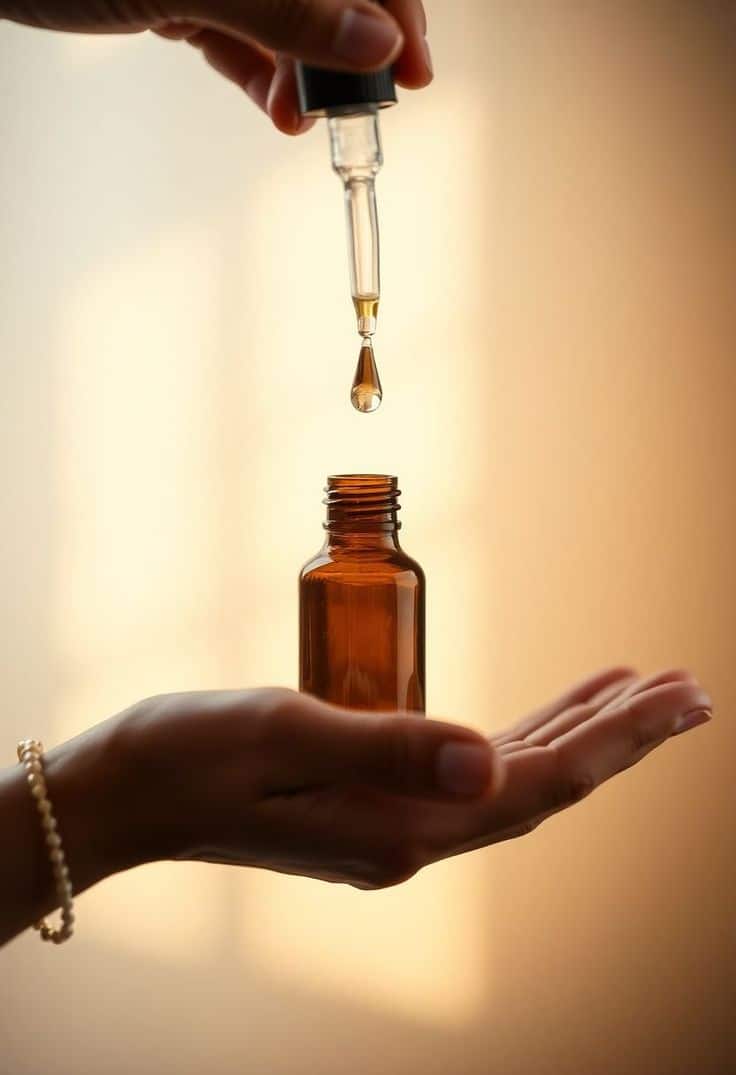
Are Essential Oils Safe to Use at Home? (Yes – If You Follow These Rules)
You’ve seen them everywhere, in wellness blogs, skincare routines, and your favourite Instagram reels. Essential oils promise everything from better sleep to glowing skin. But with all that buzz comes a very real question: are essential oils actually safe to use at home?
The honest answer is yes, with the right knowledge. Essential oils are powerful, concentrated plant extracts, and like any powerful thing, they deserve respect and a bit of guidance before you start experimenting. Whether you’re a curious beginner or someone who’s been diffusing lavender for years, this guide covers everything you need to use essential oils safely, confidently, and effectively at home.
The Quick Answer: Essential Oil Safety in a Nutshell
Essential oils are safe for home use when you:
- Always dilute before applying to skin.
- Patch test before full application.
- Avoid sensitive areas, eyes, ears, and mucous membranes.
- Keep out of reach of children and pets.
- Choose 100% pure oils from a trusted source.
The risks associated with essential oils almost always come from misuse, not from the oils themselves. Let’s break down exactly what safe use looks like.
Why Essential Oil Safety Matters?
Essential oils are not mild fragrances. A single drop of Peppermint essential oil contains the concentrated essence of an entire plant. That’s why they work, and also why they must be used thoughtfully.
When used incorrectly, essential oils can cause:
- Skin irritation or chemical burns (from undiluted topical use)
- Allergic reactions or contact dermatitis
- Respiratory irritation if over-diffused in a small space
- Toxicity in children or pets if ingested or applied in excess
None of these outcomes are common. But they are preventable entirely if you follow basic safety principles.
The Golden Rule: Always Dilute
The number one rule of essential oil safety is simple: never apply undiluted essential oils directly to your skin.
Essential oils must be mixed with a carrier oil, such as coconut, jojoba, sweet almond, or sesame oil before skin contact. Carrier oils slow the absorption of the essential oil, reduce irritation risk, and actually help the oil penetrate more effectively.
Recommended Dilution Ratios
Application |
Dilution |
Example (per 10 ml carrier oil) |
|
| General adult use | 2% | 4 drops essential oil | |
| Sensitive skin / face | 1% | 2 drops essential oil | |
| Children (3–12 years) | 0.5-1% | 1–2 drops essential oil | |
| Acute muscle tension | 3-5% | 6–10 drops essential oil | |
A good rule of thumb for beginners: 4 drops of essential oil per teaspoon (5 ml) of carrier oil gives a safe, effective 2% dilution for most everyday uses.
5 Safe Ways to Use Essential Oils at Home
1. Aromatherapy with a Diffuser
Diffusing is the easiest and most popular way to enjoy essential oils at home. Add 3-5 drops to a water-based ultrasonic diffuser and let the mist do its work. Lavender essential oil is perfect for evenings; Lemongrass essential oil works beautifully to energise your morning workspace.
Safety tip: Diffuse for 30-60 minutes at a time in a ventilated room. Continuous diffusion in a sealed space can cause headaches or irritation, even with pleasant oils.
2. Topical Application (Diluted)
Diluted essential oils can be massaged into pulse points, temples, soles of feet, and areas of muscle tension. This is ideal for Tea Tree essential oil on blemishes (diluted in aloe vera or a light carrier) or Geranium essential oil in a face oil blend.
Safety tip: Always patch test on your inner arm and wait 24 hours before applying to larger skin areas.
3. Steam Inhalation
Add 2-3 drops of Eucalyptus essential oil to a bowl of hot (not boiling) water, drape a towel over your head, and inhale slowly for 5-10 minutes. This is a time-honoured remedy for congestion and blocked sinuses.
Safety tip: Keep your eyes closed during steam inhalation. Eucalyptus is powerful – start with 2 drops, not more.
4. Bath Soaks
A few drops of essential oil in a warm bath can transform a regular soak into a spa ritual. Before adding to the water, mix your chosen oil with a tablespoon of carrier oil or a cup of Epsom salt – essential oils don’t dissolve in water on their own and can irritate skin if they pool undiluted.
Safety tip: Use 5-8 drops maximum per bath, always pre-mixed with a carrier.
5. DIY Home Cleaning
Essential oils like Lemongrass and Tea Tree have natural purifying properties that make them excellent additions to home cleaning sprays. Mix 10-15 drops with water and white vinegar in a spray bottle for a fresh, chemical-free surface cleaner.
Essential Oils That Need Extra Caution
Not all oils carry the same safety profile. Some require special attention:
- Cinnamon, Clove, Oregano – known as “hot oils,” these cause intense skin irritation if not heavily diluted (use at 0.5% maximum).
- Citrus oils (Orange, Lemon, Grapefruit) – can cause photosensitivity; avoid sun exposure for 12 hours after applying to skin.
- Peppermint – never apply near the face or chest of children under 6 due to its menthol content.
- Eucalyptus – use with care around young children and keep away from their faces.
LEMNYL’s range of 100% pure essential oils includes clear dilution guidance on every product page, so you always know exactly how to use each oil safely.
Who Should Take Extra Care?
Pregnant Women
Many essential oils are best avoided in the first trimester. Always consult your doctor before using essential oils during pregnancy. Lavender and frankincense are generally considered gentler options, but professional guidance is always best.
Infants and Young Children
Children’s skin is thinner and more permeable. Essential oils should be used at half the adult dilution or less, and some oils – particularly Eucalyptus and Peppermint – are not recommended for children under 6.
Pet Owners
Dogs and cats process oils very differently to humans. Diffusing in a room where pets spend time should be done with ventilation and limited duration. Cats in particular are sensitive to many essential oils. Always allow pets to leave the room freely when you’re diffusing.
People With Sensitive Skin or Allergies
If you have known plant allergies, check the botanical name of your oil before use. For example, those allergic to plants in the Asteraceae family (like chamomile) may react to related essential oils. A patch test is non-negotiable.
5 Signs You May Be Using Essential Oils Incorrectly
- Your skin feels hot, itchy, or red after application – you’re likely applying undiluted.
- You get headaches after diffusing – your diffusion time is too long or the space is too small.
- You feel nauseous or dizzy – the oil concentration in the air is too high.
- You apply essential oils to broken skin – this bypasses the skin’s protective barrier and greatly increases irritation risk.
- You assume “natural” means “safe in any amount” – concentration matters. Natural substances can still cause harm at high doses.
Why the Quality of Your Oil Matters for Safety
Not all essential oils on the market are created equal. Synthetic fragrances labelled as essential oils, diluted oils sold as pure, or oils contaminated during processing – all of these can cause unexpected reactions and don’t deliver the real therapeutic benefits.
At LEMNYL, every oil is 100% natural, steam distilled, and sourced from the plant part that yields the highest quality extract. No fillers, no synthetic additives, no dilution with cheaper oils. When you know exactly what’s in your bottle, using essential oils safely becomes far simpler.
New to essential oils and not sure where to begin? Our Introductory Kit – Pack of 3 Essential Oils is the ideal starting point – combining three of the most versatile and beginner-friendly oils: Lavender, Lemongrass, and Tea Tree.
Frequently Asked Questions:
Q: Can I apply essential oils directly to my skin?
No. Essential oils are highly concentrated and must always be diluted with a carrier oil (such as coconut or jojoba oil) before skin contact. Undiluted application can cause irritation, burns, or allergic reactions.
Q: How many drops of essential oil should I use in a diffuser?
For a standard 100 ml ultrasonic diffuser, 3-5 drops is ideal. Use fewer drops in smaller spaces or if you’re sensitive to strong aromas. Diffuse for 30-60 minutes at a time with breaks in between.
Q: Are essential oils safe for children?
Some are, at significantly lower dilutions. Lavender is generally considered child-safe from age 2 onwards at 0.5-1% dilution. Peppermint and Eucalyptus should be avoided for children under 6. Always consult a paediatrician if in doubt.
Q: Can I ingest essential oils?
No. Internal use of essential oils should only ever happen under the guidance of a qualified healthcare professional. Do not ingest essential oils at home.
Q: How do I store essential oils safely?
Store in a cool, dark place – away from direct sunlight and heat. Keep lids tightly closed and always out of the reach of children and pets. Most essential oils have a shelf life of 1-3 years when stored properly.
Q: How do I know if I’m allergic to an essential oil?
Always perform a patch test before full use. Apply a small amount of your diluted oil to the inner forearm and wait 24 hours. If you notice redness, itching, or irritation, do not use that oil.
Final Thoughts: Safe, Confident, and Natural
Essential oils are one of nature’s most extraordinary gifts – but they are potent, and they deserve to be treated as such. The good news? Safe essential oil use is genuinely simple once you know the ground rules: dilute always, patch test first, choose quality oils, and listen to your body.
With the right approach, essential oils can become a deeply rewarding part of your daily wellness routine — whether you’re winding down with Lavender before bed, clearing your airways with Eucalyptus, or refreshing your home with Lemongrass.
Explore LEMNYL’s full range of 100% pure essential oils → Shop Now
Important disclaimer: This article is for informational purposes only and does not constitute medical advice. Consult a qualified healthcare professional before using essential oils if you are pregnant, nursing, have a medical condition, or are taking medication.
—
