

Attar vs Essential Oils: What’s the Difference?

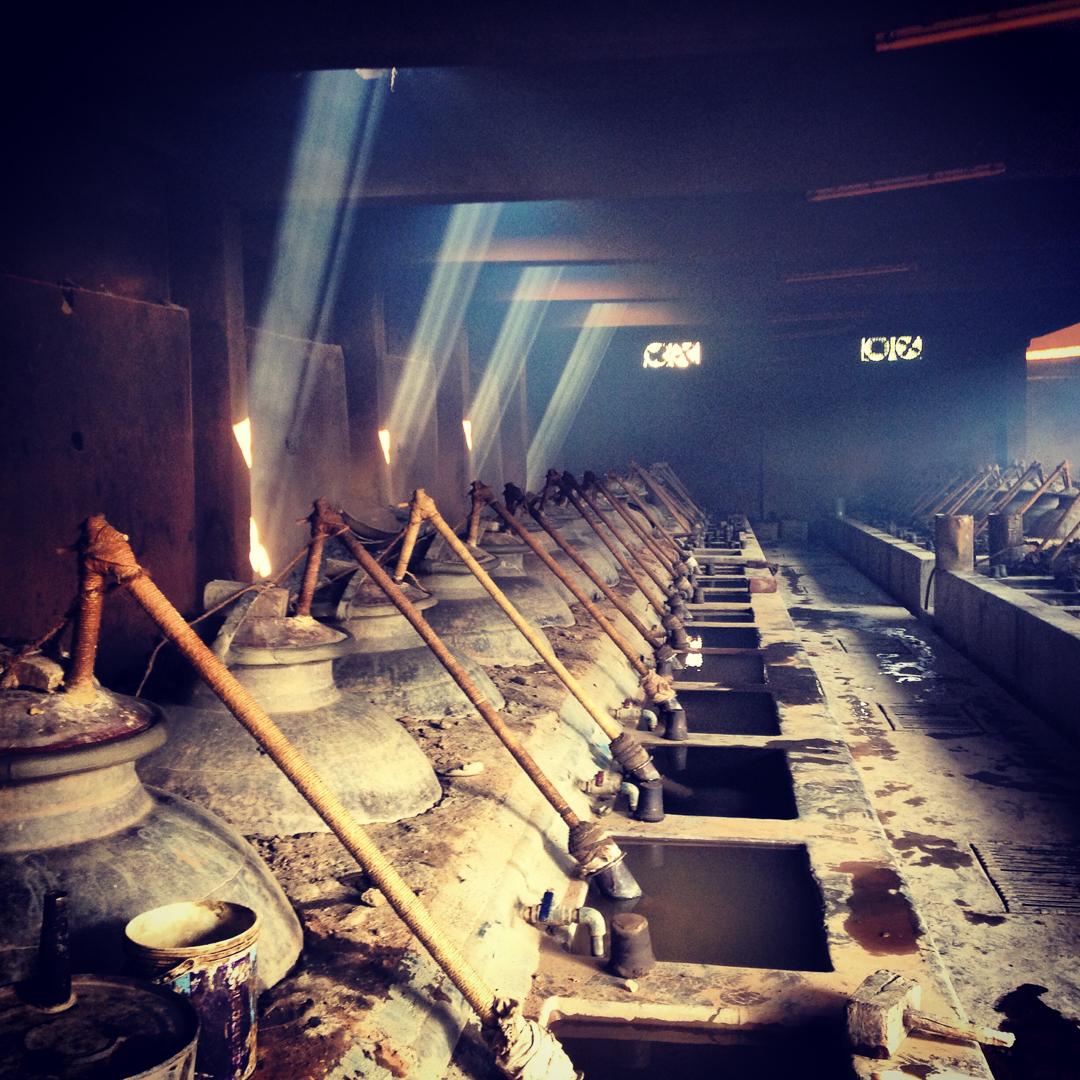
India’s relationship with fragrance isn’t a trend, it’s a tradition that has quietly evolved over centuries. From the regal distillation of attars (ittar) in ancient Kannauj to the sleek bottles of modern essential oils on today’s shelves, the core idea remains the same: capturing the soul of plants and turning it into an experience.
At their heart, both attars and essential oils are born from nature. Flowers, herbs, woods, and resins are carefully extracted to preserve their aromatic essence. Traditional attar-making relies on a slow, artisanal process, often steam distillation into a base like sandalwood oil, where petals like rose or jasmine are transformed into rich, long-lasting fragrances. Essential oils follow a similar philosophy of extraction, using methods like steam distillation or cold pressing to retain the plant’s purest compounds.
This shared origin is what makes both attars and essential oils deeply sensory. They’re not just fragrances, they’re mood-setters, memory triggers, and in many cases, part of wellness rituals. Whether it’s applying a drop behind the ears or diffusing a calming scent into a room, both traditions revolve around elevating everyday moments through nature.
Where they begin to differ is in their composition and use. Attars are typically pre-diluted in a base oil, making them ready to apply directly on the skin and known for their lingering, intimate scent profiles. Essential oils, on the other hand, are more concentrated extracts. They offer versatility, used in diffusers, blended into skincare, or diluted for personal application, giving users more control over how they experience the fragrance.
In many ways, essential oils can be seen as a modern evolution of the same cultural love for botanicals that gave rise to attars. They take the timeless idea of plant-based fragrance and adapt it to contemporary lifestyles, minimal, multi-purpose, and accessible.
This is where brands like LEMNYL quietly step in. By offering natural essential oils rooted in purity and simplicity, they echo the heritage of attar-making while aligning with how people engage with wellness and fragrance today. It’s not about replacing tradition, it’s about reinterpreting it for a new generation that still values authenticity, but seeks flexibility.
From the clay stills of Kannauj to modern glass vials, the journey of fragrance in India tells a consistent story: nature has always been at the center. The format may have changed, but the essence remains beautifully the same.


