

The Scent of Well-Being: Transitioning to a Natural Fragrance Routine

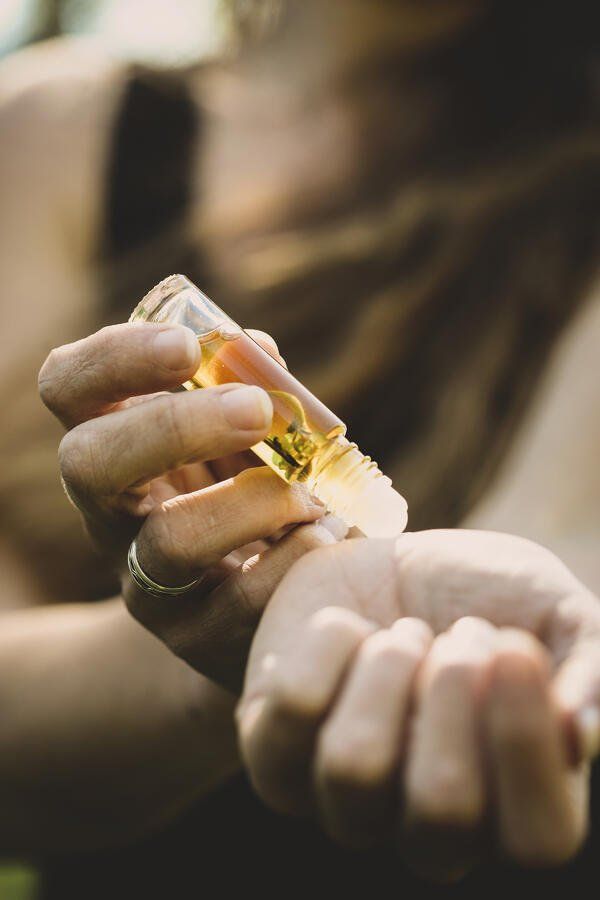
In 2026, the world of perfumery is undergoing a quiet revolution. As consumers become more intentional about what they put on their skin and breathe into their lungs, the focus has shifted away from “loud,” room-filling scents toward intimate “skin scents” fragrances that blend with your natural chemistry to create a unique, subtle aura.
At the heart of this shift is the resurgence of natural, plant-based fragrances. Here is an exploration of how the world is moving from the molecular lab back to the botanical garden, and how you can integrate essential oils into your daily fragrance ritual.
The Molecular Lab vs. Nature’s Alchemy
For decades, the fragrance industry has relied heavily on synthetic compounds. These are laboratory-created molecules designed to mimic natural smells or create entirely new ones.
Synthetic Perfumes: Often petroleum-based, these scents offer incredible longevity and consistency. They can replicate rare or endangered notes, like musk or certain woods, without harvesting from the wild. However, many people find the complex chemical cocktails, often including phthalates and parabens to be irritating to the skin or overpowering to the senses.
Plant-Based Scents: These are derived directly from nature via steam distillation or cold-pressing. Natural fragrances are inherently biodegradable and carry the complex, therapeutic DNA of the plant itself. While they may not last as long as a synthetic “beast mode” fragrance, they offer a depth and authenticity that lab-created molecules often lack.
Essential Oils: The Ultimate “Personal” Fragrance
One of the most sustainable and health-conscious ways to wear fragrance is by using pure essential oils. Unlike traditional alcohol-based perfumes, essential oils can be customized and layered to suit your mood while providing functional benefits.
How to wear them:
Dilution is Key: Because essential oils are highly concentrated, they should never be applied “neat” (directly) to the skin. Mix 2-3 drops of your chosen oil with a carrier oil like jojoba, almond, or fractionated coconut oil in a small rollerball bottle.
Pulse Point Application: Apply your blend to areas where the skin is warmest, such as the wrists, behind the ears, and the base of the throat. The heat from your body will slowly release the botanical notes throughout the day.
The “Skin Scent” Effect: Natural oils tend to stay closer to the body, making them perfect for those who prefer a fragrance that is discovered, not announced.
Cultivating a Chemical-Free Experience with LEMNYL
Transitioning to a natural routine doesn’t require a complete lifestyle overhaul; it starts with high-quality, single-note oils that serve both the home and the body. Brands like LEMNYL are simplifying this transition by offering 100% natural, single-note oils that double as cognitive and emotional tools.
Lavender: Often called the “Queen of Calm,” lavender is the gold standard for relaxation. Beyond its floral, herbaceous scent, it’s a powerful tool for wind-down routines. A drop in a carrier oil on the temples can soothe a busy mind, while diffusing it at home creates a sanctuary for sleep.
Lemongrass: For those who crave energy and clarity, lemongrass is a vibrant choice. Its crisp, citrusy aroma is naturally refreshing and acts as a mild antiseptic. It’s an ideal “morning scent” to sharpen focus and uplift the spirit.
Sweet Orange: This bright, juicy note is a universal mood-lifter. In a world where mental fatigue is common, the scent of orange provides a burst of “liquid sunshine.” It’s particularly effective for creating a welcoming, stress-free atmosphere in communal living spaces.
A Mindful Approach to Scent
As we move through 2026, the definition of luxury in fragrance is changing. It is no longer about the most expensive synthetic bottle, but about the purity of the ingredients and the well-being they provide. By choosing plant-based options, you aren’t just wearing a scent; you are wearing a piece of the natural world, curated for your health and your home.
Safety Tip: Always perform a patch test on a small area of skin when trying a new oil, and remember that citrus oils (like orange and lemongrass) can increase sun sensitivity. Apply them to areas that will be covered by clothing if you plan on being outdoors.

