

How to Add Essential Oils to Your Massage Practice | Complete Guide | LEMNYL

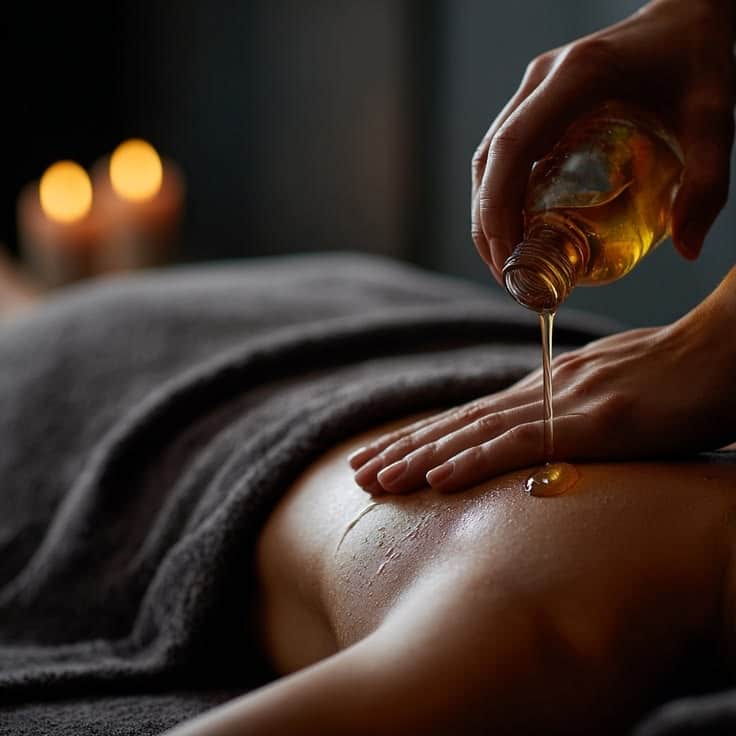
Discover the best essential oils for massage, how to dilute them safely, which carrier oils to use in India, and 5 ready-to-use blend recipes – including a traditional champi head massage blend. By LEMNYL.
A good massage relaxes the body. A massage with the right essential oils does something more – it works on two levels at once.
When you apply a diluted essential oil to skin during massage, the body absorbs it through two pathways simultaneously: through the skin itself, carried deeper by the heat and increased circulation of the massage, and through inhalation, as the aroma rises during the session and engages the limbic system – the part of the brain most directly linked to emotion, memory, and stress response.
This dual-pathway effect is what makes aromatherapy massage more than the sum of its parts. The physical manipulation of tissue plus the neurological effect of scent creates an experience that neither massage nor essential oils produce alone.
Whether you are a professional therapist looking to add an aromatherapy service, or someone who gives and receives massage at home, this guide gives you everything you need – the correct dilution ratios, the best carrier oils for India’s climate, five ready-to-use blend recipes, and the techniques that make the difference.
Why Essential Oils and Massage Work Better Together
The skin is more permeable during massage than at rest. The increased circulation brought on by manual manipulation, combined with the warmth generated between hands and skin, opens the skin’s surface and allows aromatic compounds to penetrate more readily than they would from simple topical application.
At the same time, the nose is close enough to the massage surface that the recipient inhales the aroma continuously throughout the session – not as an occasional background scent, but as a sustained, uninterrupted aromatic experience.
The result is that both therapeutic pathways – cutaneous absorption and olfactory stimulation – are amplified during massage in a way that does not occur in any other application method. This is why a diffused Lavender oil and a Lavender massage oil create notably different experiences, even at the same concentration.
The Most Important Rule: Dilution for Massage
Massage requires a different – and lower – dilution than many people expect. Because the oil remains in contact with the skin for an extended period and covers a large surface area, higher concentrations significantly increase the risk of irritation or sensitisation.
Massage Dilution Guidelines
| Application | Dilution | Drops per 10ml carrier oil |
|---|---|---|
| Full body adult massage | 1–2% | 2–4 drops |
| Localised muscle blend (back, legs) | 2–3% | 4–6 drops |
| Facial massage | 0.5–1% | 1–2 drops |
| Sensitive skin / elderly | 0.5–1% | 1–2 drops |
| Children (3–12 years) | 0.5% | 1 drop |
| Pregnancy (after first trimester, selected oils only) | 1% | 2 drops |
For most full-body relaxation massages, 2% is the standard starting point – effective, well-tolerated, and safe for repeated use. For targeted muscle work on a specific area, 3% is appropriate.
Important: These dilutions are for massage use specifically. Do not confuse them with diffuser quantities. Essential oil concentrations suitable for inhalation are far lower than those applied to skin.
Choosing Your Carrier Oil
The carrier oil you use is not just a dilution medium – its own properties significantly affect the massage experience. In India’s climate, the choice of carrier matters more than in cooler countries.
Coconut Oil (Nariyal Tel)
The most widely used massage oil across India, and for good reason. Refined coconut oil has a light, non-greasy texture that absorbs well and works beautifully with essential oil blends. It has a naturally mild antibacterial property and a long shelf life in India’s heat compared to more delicate carrier oils. Use refined coconut oil rather than cold-pressed virgin coconut oil for massage – the refined version has a neutral scent that lets your essential oil blend lead.
Sesame Oil (Til Ka Tel)
The traditional carrier of Ayurvedic massage – particularly Abhyanga (full body oil massage). Sesame oil is warming, deeply nourishing, and has one of the best penetration profiles of any plant-based oil. It has a characteristic nutty scent that pairs particularly well with warm, earthy essential oils like Frankincense and Sandalwood. For traditional champi head massage, sesame oil remains unmatched as a carrier.
Jojoba Oil
Technically a liquid wax rather than an oil, Jojoba has the longest shelf life of any carrier (2-3 years), a silky glide that many massage therapists prefer, and is exceptionally well-tolerated on sensitive skin. It is the ideal carrier for facial massage blends and for blends that will be stored for several weeks.
Sweet Almond Oil
A lighter oil with excellent slip – popular in professional massage settings. Absorbs well without leaving a heavy residue. Works particularly well with floral essential oils like Lavender and Geranium.
The 6 Best Essential Oils for Massage
Lavender – The Foundation Oil
Lavender is the single most versatile massage oil there is. Its calming effect on the nervous system is well-documented, and its skin-compatibility is exceptional. It works in virtually every massage context – relaxation, sleep preparation, general wellbeing – and blends harmoniously with almost every other oil. If you use only one essential oil in massage, make it Lavender.
Peppermint – The Muscle Oil
Peppermint contains menthol, which creates a genuine cooling sensation on the skin and has mild analgesic (pain-relieving) and antispasmodic properties relevant to muscle tension. It is one of the most effective oils for sports massage, post-exercise recovery, and relief from tight, sore muscles. Use at the lower end of the dilution range – Peppermint is strong.
Eucalyptus – The Decongestant and Circulation Oil
Eucalyptus improves local circulation when applied topically, making it useful for massage targeting areas of stiffness or poor circulation. It has a fresh, medicinal quality that many people find deeply therapeutic during respiratory seasons. Pairs well with Peppermint for a powerful muscle and respiratory massage blend.
Lemongrass – The Anti-Inflammatory Ally
Lemongrass has demonstrated anti-inflammatory properties in research and is particularly useful for massage targeting joints, areas of chronic tension, and post-exercise soreness. Its fresh, citrusy scent is energising rather than sedating – making it a strong choice for morning or daytime massage sessions. It also has excellent skin-toning properties.
Geranium – The Balancing Oil
Geranium is one of the most beautiful oils for massage blends – it has a complex floral quality that is neither heavy nor sweet, and its balancing effect on mood makes it ideal for stress-related tension, hormonal discomfort, and any massage with emotional as well as physical goals.
Frankincense – The Deep Grounding Oil
Frankincense is a base note with a warm, resinous, almost meditative quality. It slows breathing, deepens relaxation, and adds a sense of gravitas and depth to any blend. It is particularly valuable in massage that is intended to be a mindfulness practice rather than purely physical treatment.
5 Ready-to-Use Massage Blend Recipes
All recipes below are given for 30ml of carrier oil – a practical quantity for a full-body massage session.
1. Deep Muscle Relief Blend
For post-exercise recovery, chronic back tension, and tight muscles.
Carrier: 30ml refined coconut oil or sweet almond oil
- 4 drops Peppermint
- 4 drops Eucalyptus
- 4 drops Lemongrass
Dilution: 2.4% – appropriate for localised muscle work on back and legs.
Technique: Warm oil between palms before applying. Use firm effleurage (long, sweeping strokes) along muscle bellies, then deeper petrissage (kneading) on areas of specific tension. The cooling sensation of Peppermint intensifies with pressure – start light and increase gradually.
2. Full Body Relaxation Blend
For general stress relief, winding down, and a deeply calming full-body experience.
Carrier: 30ml sweet almond oil or jojoba
Dilution: 2% – the sweet spot for full-body relaxation massage on adult skin.
Technique: Begin at the back, using slow, flowing effleurage strokes with consistent pressure. This blend rewards slow massage more than fast – the Frankincense and Lavender need time to work. Allow the recipient to inhale deeply from the warmed oil on your palms at the start of the session.
3. Energising Morning Blend
For morning massage, wake-up sessions, and any time energy and alertness are the goal.
Carrier: 30ml refined coconut oil
- 4 drops Lemongrass
- 4 drops Peppermint
- 2 drops Eucalyptus
Dilution: 2% – appropriate for full body use.
Technique: Use brisk, stimulating strokes rather than slow, calming ones. Tapotement (percussion movements) and quick effleurage work well with this blend. Focus on the back and legs, which respond well to the circulatory-stimulating combination of Lemongrass and Peppermint.
4. 🇮🇳 Traditional Champi Head Massage Blend
A modern aromatherapy take on India’s beloved champi — the head massage tradition practised in homes, barber shops, and Ayurvedic centres across the country.
Carrier: 20ml sesame oil (til ka tel) + 10ml refined coconut oil
- 3 drops Lavender
- 3 drops Geranium
- 2 drops Lemongrass
- 2 drops Frankincense (optional, for deeper grounding)
Dilution: 1.3% – appropriate for scalp application. Scalp skin is more sensitive than body skin for many people; err on the lower side.
Technique: Warm the blended oil gently (place the bottle in a cup of warm water for 2 minutes – do not heat on a flame). Part the hair in sections and apply oil directly to the scalp using fingertip pressure. Begin with gentle circular motions at the temples, move to the crown, then the occiput (base of skull). Progress to firmer circular friction movements, then light tapotement with fingertips across the scalp. The Sesame oil base brings Ayurvedic warming properties; the Lavender and Geranium address stress and scalp balance; the Lemongrass adds clarity and is beneficial for oily scalps.
Aftercare: Leave oil in for at least 30 minutes – or overnight for maximum conditioning benefit. Wash out with a gentle shampoo.
5. Romantic Couples Massage Blend
A warm, sensual blend for couple’s massage – intimate, grounding, and deeply relaxing.
Carrier: 30ml jojoba oil
Dilution: 2% – appropriate for full-body use.
Technique: Begin with slow, connected strokes – the quality of attention matters more than technical skill in couples massage. Maintain hand contact as much as possible throughout. The blend’s Sandalwood base note adds warmth and staying power; the Geranium bridges the floral Lavender with the woody depth beneath it. Warm oil between palms and allow a moment of shared inhalation before beginning.
Application Techniques That Make a Difference
Always warm the oil before use. Cold oil on skin is startling and causes muscles to contract – the opposite of what massage aims for. Warm oil between your palms for 10-15 seconds before application. For champi blends, use the warm-water method above.
Start with less. You can always add more oil during a session; removing excess is more difficult and can make the massage slippery and ineffective. Begin with a small amount and assess absorption as you go.
Direction of strokes matters. For relaxation, work toward the heart (centripetal). For energising massage, strokes in either direction maintain stimulation. For lymphatic work, always toward the nearest lymph node.
Cover areas not being worked. When moving from the back to the legs, cover the back with a light towel. This retains heat, keeps muscles warm, and allows the essential oils to continue absorbing while you move to another area.
For Professional Therapists – Adding Aromatherapy to Your Practice
If you are a massage therapist considering aromatherapy as an add-on service, the practical and commercial case is strong. Pre-blended massage oils differentiated by purpose (relaxation, muscle relief, energising) allow you to offer a premium tier service with minimal additional preparation time.
A few professional considerations:
Client intake matters. Before using essential oils with any client, confirm: no known plant allergies, not pregnant (several massage oils are contraindicated in the first trimester), no current skin conditions on areas to be massaged, and no photosensitive oils being used on areas that will be exposed to sun within 12 hours (this applies to citrus oils, including Lemongrass).
Consistent dilution is a professional standard. Pre-blend your massage oils in dark glass bottles at the correct dilution for each use, label them with the blend name and date, and use them within 6 months for peak efficacy.
Client preference consultation. A brief scent consultation before each session – offering two or three options and asking which resonates creates a sense of personalisation that clients consistently rate as a highlight of aromatherapy massage services.
Storage in clinical settings. Store all essential oil blends away from direct light and heat in your practice space. A closed cupboard or dedicated storage drawer is ideal. In India’s warm climate, avoid storing blends near windows or in rooms that experience large temperature fluctuations.
What to Avoid in Massage Blends
- Undiluted application of any essential oil directly to skin. Always pre-dilute in carrier oil before massage use.
- Cinnamon, Clove, and Oregano oils in massage blends. These “hot oils” cause significant skin irritation even at low concentrations and are not appropriate for large-area skin application.
- Citrus oils on skin before sun exposure. Lemon, Orange, Grapefruit, and Bergamot increase photosensitivity. If used in a massage blend, advise clients to avoid direct sun on treated areas for 12 hours.
- Peppermint and Eucalyptus on children under 6. These oils are too stimulating for young respiratory systems even at massage dilutions.
- Massage on broken, irritated, or sunburned skin. Essential oils on compromised skin barriers dramatically increase sensitisation risk.
Frequently Asked Questions
Q: How much massage oil do I need for a full-body session?
A full-body adult massage typically requires 20-30ml of blended carrier oil. Back-only massage requires 10-15ml. Head massage (champi) requires 15–20ml depending on hair thickness and length. Pre-blend your oil in advance in a dark glass bottle so you are not measuring mid-session.
Q: Can I use any carrier oil for massage, or do some work better than others?
Different carrier oils have meaningfully different textures, absorption rates, and shelf lives. Coconut oil is the most practical and widely available in India. Jojoba offers the best shelf life and is ideal for sensitive skin. Sesame oil is the traditional Ayurvedic choice and pairs particularly well with warming, earthy essential oil blends. Sweet almond oil offers excellent slip for professional massage.
Q: Is it safe to give essential oil massage to someone who is pregnant?
Massage itself is generally safe during pregnancy when performed by a trained therapist. Essential oil massage during pregnancy requires more caution – several oils are contraindicated, particularly in the first trimester. Lavender and Geranium at 1% dilution are generally considered the safer options for pregnancy massage, but always advise pregnant clients to consult their healthcare provider before receiving aromatherapy massage.
Q: Can essential oil massage help with chronic back pain?
Essential oil massage particularly blends containing Peppermint and Eucalyptus can meaningfully reduce the perception of muscle tension and discomfort. It is not a medical treatment for diagnosed conditions like herniated discs or spinal pathology. For chronic pain, essential oil massage is best viewed as a complementary comfort practice alongside appropriate medical management, not a replacement for it.
Q: How do I store pre-blended massage oils?
In dark glass bottles, away from direct light and heat. In India’s climate, a closed cupboard in a cool room is the minimum refrigerator storage significantly extends the life of blends containing short-life carrier oils like sweet almond (12-18 months unblended). Label each bottle with the blend name, date made, and dilution percentage. Use within 3-6 months for peak quality.
Q: Can I use coconut oil that’s already in my kitchen for massage?
Refined coconut oil from the kitchen is perfectly appropriate for massage – it is essentially the same product. Cold-pressed virgin coconut oil also works, though its stronger natural scent can compete with your essential oil blend. Avoid using any carrier oil that has been heated repeatedly or is stored without a tight lid oxidised carrier oils can cause skin irritation.
Start With One Blend and Build From There
Aromatherapy massage does not require an extensive collection to begin. The Deep Muscle Relief blend (Peppermint, Eucalyptus, Lemongrass) and the Full Body Relaxation blend (Lavender, Geranium, Frankincense) between them cover the two situations most people encounter most often physical tension and emotional stress.
Master those two, understand how each oil behaves on skin and in the nose during a session, and then expand from there into the more specialised recipes the champi blend, the romantic couple’s blend, the energising morning oil.
Every bottle in LEMNYL’s range is 100% pure and steam-distilled which means when you blend it into a carrier, what you apply to skin is exactly what the plant intended.
Shop LEMNYL’s full range of 100% pure essential oils for your massage practice → Shop Now
Disclaimer: This article is for informational purposes only and does not constitute medical, therapeutic, or professional treatment advice. Essential oil massage is a complementary wellness practice and should not replace medical treatment for any physical or psychological condition. Always consult a qualified healthcare professional for medical concerns. Massage therapists should ensure compliance with applicable professional regulations in their region.