

Can Essential Oils Replace Medical Treatment?

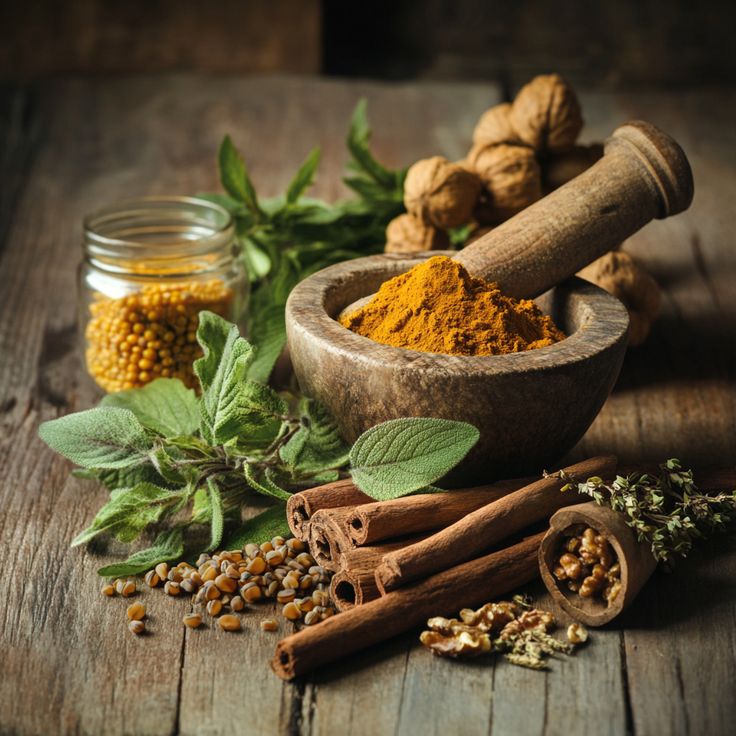
Can Essential Oils Replace Medical Treatment? The Honest Answer
Walk through any pharmacy in India today and you’ll find essential oils sitting alongside paracetamol and vitamin tablets. Scroll through wellness content online and the claims can feel almost medical – heals infections, cures anxiety, boosts immunity. So it’s a fair question: can essential oils actually replace medical treatment?
The honest answer is no. And a brand that truly respects you will tell you that plainly.
But here’s what the conversation usually misses: that no is not the end of the story. Essential oils have a real, evidence-backed role in your health – it’s just a different role to medicine. Understanding exactly what that role is makes you both a safer and a smarter user.
The Direct Answer: Can Essential Oils Replace Medical Treatment?
No. Essential oils cannot and should not replace prescribed medical treatment, professional diagnosis, or evidence-based therapies for any illness or health condition.
They are not a cure for infections, chronic disease, cancer, mental health disorders, or any other medical condition. Using them in place of medical treatment, especially for serious conditions is dangerous and could delay care that saves lives.
What essential oils can do is play a meaningful complementary role in your overall wellbeing supporting relaxation, comfort, mood, and skin health alongside never instead of appropriate medical care.
What Essential Oils Actually Are
Essential oils are highly concentrated, aromatic compounds extracted from plants, their bark, leaves, flowers, roots, and resins. They are not medicines. They were not designed to treat disease. They are, at their core, natural aromatic extracts that have been used across cultures for thousands of years to support comfort, mood, and everyday wellness.
When you diffuse Lavender essential oil before bed, you are not taking a sedative. You are creating a sensory environment that your body and mind associate with calm. That distinction matters enormously.
What the Science Actually Says
Here’s where honesty really counts. Aromatherapy research is genuine, growing, and promising — but it is not at the same level as pharmaceutical science, and we should not pretend otherwise.
What research does support:
- Stress and anxiety reduction: Multiple peer-reviewed studies have found that lavender aromatherapy can meaningfully reduce anxiety and perceived stress levels in clinical and everyday settings.
- Sleep quality: Inhaled lavender has shown measurable improvements in sleep quality in several controlled studies, including among hospital patients and university students.
- Mood and alertness: Peppermint and citrus oils have been associated with improved alertness and reduced feelings of mental fatigue.
- Skin support: Tea tree oil has demonstrated antimicrobial properties in laboratory studies and is widely used in dermatology-adjacent skincare for its effect on blemishes.
- Respiratory comfort: Eucalyptus and steam inhalation have a long history of supportive use for nasal congestion, backed by reasonable clinical evidence.
What research does NOT support:
- Treating bacterial or viral infections internally with essential oils.
- Replacing antidepressants, anti-anxiety medications, or psychological therapy.
- Curing, preventing, or managing any chronic disease.
- Replacing cancer treatment, diabetes management, or cardiovascular care.
The gap between “reduces perceived stress” and “treats anxiety disorder” is significant. Responsible use means understanding which side of that line each claim sits on.
Where Essential Oils Genuinely Earn Their Place
Within their actual scope, essential oils are remarkably effective wellness tools. Here is where they genuinely deliver:
Everyday Stress and Mental Comfort
Diffusing Lavender or Lemongrass essential oil after a long day creates an intentional decompression ritual. Ritual itself has psychological power, and the scent simply amplifies it. This isn’t a cure for anxiety, but for ordinary daily stress, it is a beautifully effective and side-effect-free tool.
Sleep Environment
A few drops of Lavender in a diffuser 30 minutes before bed, or diluted on your pillow, can genuinely improve sleep onset and quality for people dealing with mild, lifestyle-related sleep disruption. If you have a diagnosed sleep disorder, speak to your doctor but as a nightly wellness habit, this is one of the most evidence-supported uses in aromatherapy.
Skin and Hair Care
Tea Tree essential oil diluted in a carrier oil is one of the most widely used natural blemish treatments in the world for good reason. Geranium essential oil is popular in face oils for its balancing effect on skin. These are not medical treatments for skin disease, but as part of a thoughtful skincare routine, they add genuine value.
Respiratory Comfort
Steam inhalation with Eucalyptus essential oil is one of the oldest home remedies in existence and remains one of the most used, because it genuinely provides comfort during colds and sinus congestion. It does not kill viruses. It does not replace antibiotics for bacterial infections. But for the discomfort of a blocked nose or tight chest during a common cold, it is a safe, soothing, and highly effective support.
Home and Environment
Diffusing Lemongrass or Peppermint essential oil purifies your home environment and creates an uplifting, energised atmosphere. This is the original role of many essential oils historically environmental freshness and it remains one of their strongest applications.
When You Must See a Doctor – No Exceptions
There are situations where essential oils have no place as a primary response. These include:
- Persistent or high fever – always requires medical assessment
- Chest pain or breathing difficulty – emergency medical care only
- Suspected infections – bacterial infections require antibiotics; do not delay treatment with home remedies
- Mental health crises – depression, panic disorders, and suicidal ideation require professional care
- Chronic conditions – diabetes, hypertension, thyroid disorders, and similar conditions must be managed medically
- Symptoms in infants and young children – always consult a paediatrician before using any essential oil with a child
- Pregnancy complications – seek medical advice immediately; many essential oils are contraindicated in pregnancy
Essential oils used while ignoring the above can cause serious harm – not from the oils themselves, but from delayed appropriate treatment.
Complementary Wellness: The Right Way to Think About It
The word that matters here is complementary – not alternative. Complementary means alongside. Alternative means instead of. These two words represent a profound difference in approach, and a profound difference in safety.
Many people use essential oils every day as part of a healthy lifestyle that also includes regular medical check-ups, prescribed medication where needed, good nutrition, sleep, and exercise. That integration is exactly right. The oils contribute to comfort, mood, and daily wellness rituals. Medicine handles disease.
Think of it this way: you wouldn’t skip your blood pressure medication because you had a lavender bath. But you might find that your lavender bath helps you feel calm enough to sleep better, which supports your overall cardiovascular health. That is the complementary relationship working as it should.
How to Use Essential Oils Responsibly Alongside Medical Care
If you are managing a health condition and want to incorporate essential oils into your routine:
- Tell your doctor: Some essential oils interact with medications or are contraindicated with certain conditions. Your doctor needs the full picture.
- Do not reduce or stop medication: based on feeling better from aromatherapy. Continue all prescribed treatments.
- Use essential oils for what they’re good at: comfort, mood, sleep quality, skin care, and environmental freshness.
- Buy from a trusted source: Impure or adulterated oils are a genuine risk. LEMNYL’s 100% pure essential oils are steam-distilled and contain no synthetic additives, so what you’re using is actually what the label says.
- Follow dilution and safety guidelines: on every product page before use.
Frequently Asked Questions
Q: Can essential oils cure infections like colds or flu?
No. Essential oils cannot cure viral or bacterial infections. Some oils like Tea Tree have demonstrated antimicrobial properties in laboratory settings, but this does not translate to treating internal infections. For flu, colds, or bacterial infections, appropriate medical care is required. Essential oils can support comfort during recovery – they cannot eliminate the cause.
Q: Can I use essential oils instead of antidepressants or anxiety medication?
No. Prescribed mental health medication should never be stopped or replaced without the guidance of a psychiatrist or doctor. Aromatherapy can be a supportive addition to a mental wellness routine, but it is not a clinical treatment for depression, anxiety disorders, or any diagnosed mental health condition.
Q: Are there any essential oils that have strong scientific backing?
Lavender has the most robust body of research in aromatherapy, with multiple clinical studies supporting its role in reducing anxiety and improving sleep quality. Tea Tree has well-documented antimicrobial properties in laboratory studies. Peppermint has evidence supporting its use for tension headaches when applied topically (diluted). That said, the overall body of research on essential oils is still developing.
Q: Do essential oils work, or is it just a placebo?
The question of placebo vs. pharmacological effect is complex. Some mechanisms such as the direct effect of eucalyptol (the active compound in Eucalyptus) on nasal passages, or the limbic system’s response to scent are measurable and physiological. Others may be partly placebo. But placebo responses are also real responses if you sleep better and feel calmer, that benefit is genuine regardless of the precise mechanism.
Q: Are essential oils regulated as medicines in India?
No. In India, essential oils are not regulated or approved as medicines by the Central Drugs Standard Control Organisation (CDSCO). They are sold as cosmetic or wellness products. Any product claiming to treat, cure, or prevent a specific disease with essential oils would be making an unlicensed medical claim.
Q: Is it safe to use essential oils every day?
For most healthy adults, yes when used correctly (diluted for skin application, diffused in ventilated spaces with breaks). Some oils should not be used long-term without rotation. Always follow the usage guidance for each specific oil.
The Bottom Line
Essential oils are a genuinely valuable part of a thoughtful wellness routine. They are not medicine. They cannot diagnose, treat, or cure disease. And any brand or influencer that tells you otherwise is doing you a disservice.
What they can do when you buy the real thing, use them correctly, and keep them in their rightful place is meaningfully support your comfort, sleep, mood, skin health, and home environment every single day. That is not a small thing. It is simply an honest thing.
Explore LEMNYL’s full range of 100% pure essential oils → Shop Now
Medical disclaimer: This article is for informational and educational purposes only. It does not constitute medical advice, diagnosis, or treatment recommendations. Always consult a qualified healthcare professional before making any decisions about your health, particularly if you are pregnant, nursing, managing a medical condition, or taking prescribed medication. Do not delay or discontinue medical treatment on the basis of information in this article.


